
Choosing a fish from a live seafood tank can feel intimidating if you are not used to doing it. Unlike ordering a fillet or a finished dish from a menu, the decision happens before the fish reaches the kitchen, with size, species, condition and cooking method all factors to consider.
Live seafood has long held an important place in Chinese dining, where freshness is particularly prized for preparations that allow the natural character of the fish to remain at the centre of the dish. In Singapore, live fish are transported to restaurants specifically because they command a premium for their freshness and quality.
The good news is that you do not need to be a seafood expert to choose well. A few observations, together with some guidance from the restaurant team, can make the process considerably easier.
1. Start by Watching How the Fish Moves
Before looking too closely at colour or size, spend a moment watching the fish in the tank. A healthy fish should generally maintain its balance and swim in a manner that appears natural for its species. Fish that are repeatedly gasping at the surface, listing to one side or showing obviously abnormal swimming behaviour may be under stress.
That does not mean the liveliest fish in the tank is automatically the best choice. Different species naturally behave differently, and some are considerably less active than others. What you are looking for is normal, controlled movement rather than frantic activity.
The condition of the tank matters too. Live fish depend heavily on appropriate water quality and sufficient dissolved oxygen, particularly after transportation. A well-maintained live seafood programme therefore involves considerably more than simply placing fish in water until someone orders them.
2. Look Beyond Movement to the Fish Itself
Once you have narrowed down your options, look at the fish’s overall appearance. With whole fresh fish, clear eyes, firm flesh, bright-looking skin and red or pink gills are widely recognised signs of freshness.
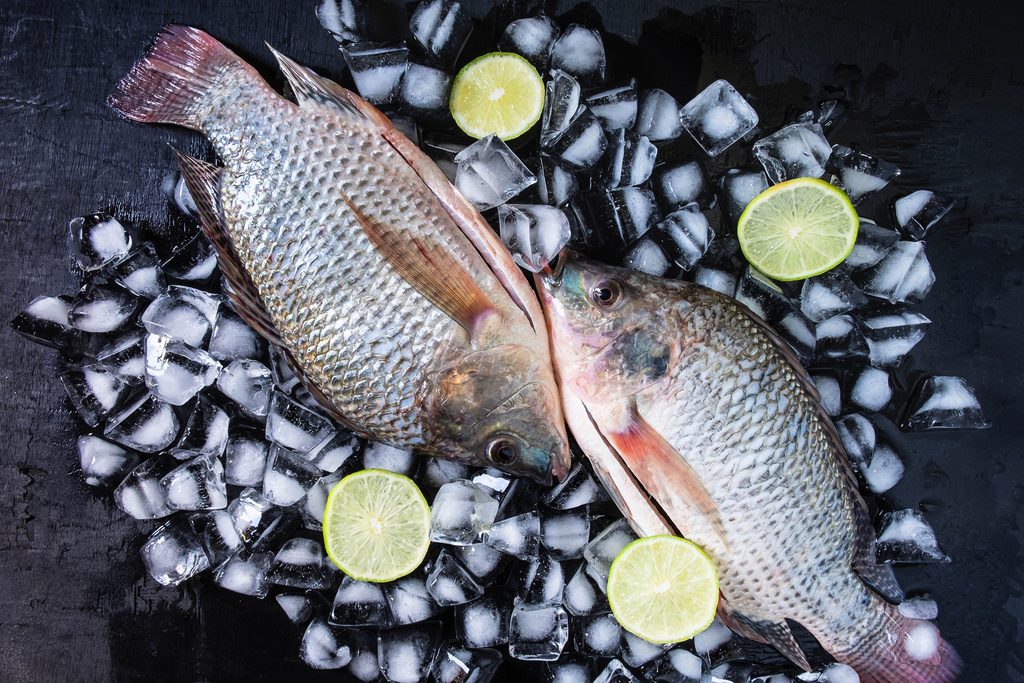
Assessing a live fish is slightly different because you are viewing it through a tank, but many of the same visual cues remain useful. Look for an intact body, clear-looking eyes and skin that appears healthy rather than visibly damaged.
Avoid becoming too fixated on colour alone, though. The colour of fish can vary naturally according to species, environment and other factors, and guidance warns against treating colour by itself as proof of freshness.
In practice, it is better to consider several signs together rather than making a decision based on a single characteristic.
3. Choose the Fish with the Cooking Method in Mind
The “best” fish in the tank is not necessarily the same for every dish. Different species have different textures, levels of richness and flavour profiles, which means the way you intend to cook the fish should influence your choice.
For a straightforward steamed fish, for example, there is very little for the ingredient to hide behind. The appeal comes from the texture of the flesh, its natural sweetness and the balance of the accompanying sauce and aromatics. A preparation with a more assertive sauce may suit a different type of fish altogether.
This is where asking the restaurant team for advice is useful. Instead of beginning with a species in mind, tell them how you would like the fish prepared and what sort of texture or flavour you prefer. A knowledgeable team should be able to explain which options in the tank are best for you on that day.
4. Think About Size Before You Choose
The largest fish is not automatically the right fish for the table. Size affects both the final bill and how comfortably the dish fits into the rest of the meal.
If you are eating with a larger group and the fish is intended as one of several shared dishes, choosing an appropriate weight helps ensure everyone gets a portion without leaving the table overwhelmed with food. Conversely, a smaller group may find that a modestly sized fish leaves more room for other dishes.
Before confirming your selection, ask the restaurant to indicate the approximate weight and price. Live seafood is commonly priced according to weight, so knowing both before the fish goes to the kitchen avoids surprises later.
It is a simple step, but an important one when planning a family meal or larger group lunch.
5. Do Not Be Afraid to Ask for a Recommendation
Perhaps the most useful rule is also the simplest: you do not have to choose entirely on your own.
Seafood availability can change from day to day, and restaurant staff are usually better placed to know which fish have recently arrived, which sizes are available and which preparations work particularly well with them.
Ask what they would recommend for your group size, preferred cooking style and budget. You can also ask to see the fish before confirming your order.
There is no particular virtue in choosing the most expensive species in the tank. The better choice is the one that suits the preparation, the number of people at the table and the kind of meal you are planning.
Choosing Live Seafood at Fu Yuan Teochew Dining
Choosing from a live seafood tank is ultimately less complicated than it appears. Look for a fish in good condition, consider how you want it cooked, choose a sensible size for the table and make use of the restaurant team’s knowledge before deciding.
At Fu Yuan Teochew Dining, live seafood forms part of a broader Teochew dining experience built around fresh ingredients and cooking techniques that allow them to speak for themselves. Whether you already know exactly what you want or would prefer some guidance at the tank, the team can help you choose a fish suited to your table and the way you would like it prepared.
Make a reservation at Fu Yuan Teochew Dining and explore the live seafood selection available on the day.

