We’ve all been there: you consider yourself fairly sophisticated when it comes to dining out, you know your way around a wine list, and you can confidently order at most restaurants. But dim sum? That’s a different beast entirely. The moment you sit down at that round table with the rotating centre (this is called a lazy Susan), you realise that your usual dining confidence has abandoned you. Should you pour tea for others first? Is it rude to take the last dumpling? What’s the proper way to handle those slippery rice noodle rolls without making a complete mess?
For food lovers who pride themselves on dining etiquette, dim sum can feel like entering uncharted territory where the usual rules simply don’t apply. This detailed guide will fill those knowledge gaps, giving you the insider know-how to approach any dim sum experience—from casual weekend yum cha to important business lunches—with the same confidence and finesse you bring to every other aspect of your dining life.
The Art of Arrival: When to Eat Dim Sum
Timing is everything when eating dim sum. Traditional yum cha (literally “drink tea”) runs from late morning through mid-afternoon, hitting its stride between 11am and 2pm. Early birds snag the best selection as fresh steamers emerge from the kitchen. Show up fashionably late, and you might find yourself staring at empty carts whilst internally weeping over missed har gow opportunities.
Forget Western dining’s “everyone waits for everyone” approach. Dim sum runs on island time—start eating the moment those first dishes land on your table. Your food stays hot, your companions stay happy, and you get to experience the relaxed, social rhythm that makes dim sum so addictive.
Mastering the Lazy Susan: What to Pick and How
The spinning table centrepiece demands respect and finesse. Rotate it clockwise, always, and resist the urge to reach across like you’re attempting some sort of dining gymnastics. More importantly, never spin the table while someone is actively taking food from a dish. This is considered extremely rude behaviour at the table.
There are unspoken rules about portion control. One is to take small amounts you can actually finish within minutes—this is because dim sum tastes best when it’s piping hot, so hoarding defeats the entire purpose. Grab one or two pieces per person for each dish, knowing more will arrive throughout your meal.
Follow the sacred last-piece protocol: never snatch the final dumpling without checking with your tablemates first. A quick “shall we share this?” keeps everyone happy and maintains the generous spirit that makes dim sum meals so special.
The Heart of Yum Cha: Tea Service Etiquette
Tea anchors the entire dim sum experience. After all, dim sum literally means “touch the heart” in Chinese, and it is inextricably linked with the tradition of drinking tea. Someone needs to step up immediately after you’re seated and order tea for the table. Popular varieties include jasmine tea and black tea, both of which cut through rich, often fried foods beautifully while aiding digestion.
Here’s where your Western dining instincts need a holiday: pour tea for everyone else before filling your own cup. Start with the eldest person, then work around the table. When someone pours for you, tap your index finger and middle finger gently on the table twice. This represents a respectful bow and keeps conversation flowing smoothly.
Monitor that communal teapot like it’s your job (in a way, it is). Running low? Signal your server by leaving the teapot lid slightly ajar or positioned on the handle. Never let your table go dry—tea is fundamental to the entire yum cha experience.
Chopstick Etiquette: Beyond Basic Handling
If you are comfortable with chopsticks, use them confidently. If not, don’t feel embarrassed about requesting a fork—most restaurants accommodate international diners without hesitation. However, avoid mixing utensils; commit to either chopsticks or cutlery for the entire meal.
Here’s where chopstick etiquette becomes crucial: never use the ends that have touched your mouth on communal dishes. When picking up food from shared plates, flip your chopsticks upside down to use the clean ends, then flip them back for eating. This prevents cross-contamination and shows respect for your dining companions. Or, you could just request for serving chopsticks.
Never point with your chopsticks, leave them sticking upright in food (this resembles funeral customs and brings bad luck), or use them to move serving dishes around the table. When finished eating, rest them neatly across your bowl or on the provided chopstick rest.
Eating Techniques: Small Bites, Big Flavours
Take small bites rather than attempting to consume whole pieces in one gulp. This is particularly important with soup dumplings like xiao long bao, where the hot broth inside can burn your mouth. Pick them up just below the twisted top, take a small bite, let it cool, then continue.
For dishes with bones like chicken feet (a dim sum classic that tests even adventurous meat eaters), use your spoon as support. Lay the bone on the spoon and manoeuvre with chopsticks, eating the meatier parts first. Dispose of bones discreetly on your plate, never directly on the lazy Susan.
Always transfer food from communal dishes to your own plate or bowl before eating. Never eat directly from steamers or shared plates—this breaches fundamental sharing etiquette.
Condiment Care: Dipping Sauce Wisdom
Those little dishes of condiments serve specific purposes. Soy sauce forms your reliable base, while chilli oil delivers heat. Sweet and sour sauce pairs beautifully with fried items. Most dim sum dishes are already well-seasoned, so go light on additional sauces. They should enhance, not overpower.
Pour modest amounts into your personal sauce dish and never dip directly into communal containers. More importantly, stick to one sauce per dumpling—double-dipping in multiple sauces is a major etiquette breach. If you’re testing different flavours, use a fresh piece of food for each sauce.
Navigating Service: Carts and Ordering
Whether you encounter the traditional roving carts (more common in Hong Kong) or modern à la carte menus, don’t feel pressured to order from every option. Take time to see what’s available, and don’t hesitate when you spot something appealing—popular items like shrimp dumplings disappear quickly.
If trolley servers lift lids for you to peek inside, pointing works perfectly well when you’re unsure of names. Lastly, trust your instincts about freshness. If carts seem to have been circulating for ages, the food might not be at the optimal temperature.
Cultural Context: Singapore vs Traditional Customs
While these etiquette principles apply universally, it is worth noting that some customs vary by location. In Hong Kong, for instance, table-sharing during peak hours is common, and there are elaborate dish-washing rituals using hot water before eating. These practices add cultural richness to an authentic dim sum experience, but aren’t essential for enjoying dim sum respectfully in Singapore.
The Final Flourish: Paying and Departing
Bills are typically calculated by counting empty plates and steamers, with different colours representing different price points. Don’t rush your departure—dim sum meals are meant to linger over conversation and multiple cups of tea.
Remember, dim sum is best enjoyed hot and fresh. There’s wisdom in the Michelin-starred chef’s advice: don’t ask for doggy bags. The magic happens in those perfectly timed moments when everything is piping hot and shared among good company.
Put Your New Skills to the Test
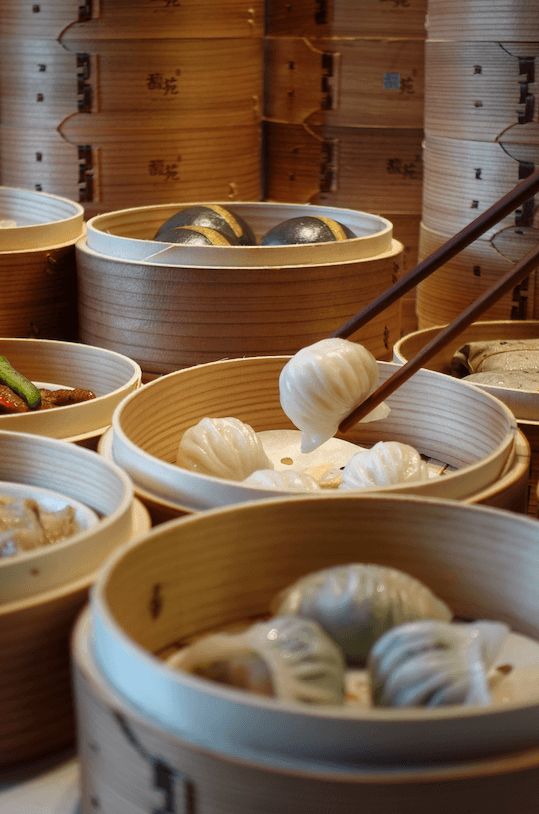
Armed with proper dim sum etiquette, you’ll find yourself genuinely relaxed and confident at your next yum cha gathering. No more anxiety about whether you’re doing it right—just pure enjoyment of exceptional food and great company. The beauty of dim sum lies in its communal nature, where shared plates become shared memories and every meal feels like a celebration.
Now that you know the ropes to savour dim sum like a true connoisseur, why not experience authentic dim sum crafted by masters of the art? At Fu Yuan Teochew Dining, traditional techniques meet exceptional ingredients to create dim sum that honours centuries-old recipes whilst delighting modern palates. Available exclusively during lunch service (11:30am – 3:00pm), our carefully curated selection showcases the finest examples of this beloved cuisine. Book your table at our restaurant and discover what proper dim sum etiquette can unlock. Hint: It’ll be an unforgettable dining experience that’ll have you planning your return visit before you’ve even finished your tea.