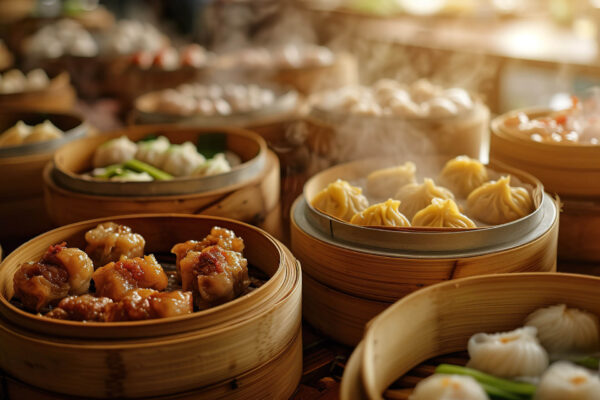
You don’t need fancy words to describe Teochew food. One bite and it tells its own story: clear, honest, and deeply familiar.
At Fu Yuan Teochew Dining, a Teochew restaurant in Singapore, that story comes alive. Every dish that lands on your table isn’t just food, but a memory, a quiet tribute to the past, and a gentle nudge towards something new.
But let’s back up. Before all the refinements, before the glossy plates. What was Teochew cuisine?
Put simply, Teochew food came from hard days and humble kitchens.
Where It All Began
The Chaoshan region in Guangdong wasn’t rich. Life was hard. Harvests failed. People left home, searching for a better shot at life.
They came to Singapore. Many brought little more than their hands and a few recipes. These dishes weren’t flashy. They were made from scraps, leftovers, or whatever the market could offer. Nothing got wasted, and every fish bone, every stem, every drop of soy sauce mattered. The aim was clear: they were trying to get by.
That need for simplicity—respecting ingredients, stretching every cent—is baked into Teochew cooking to this day. Even now, you can taste the practicality behind it. Not designed in labs or tested in high-tech kitchens, these dishes were figured out by people trying to feed their families.
And somehow, those meals became the very definition of comfort, and they stayed.
The Quiet Confidence of Teochew Dishes
Some foods demand your attention. Teochew food doesn’t. Instead, it waits.
That’s because Teochew dishes are clean and calm. They don’t rely on thick sauces or extreme heat. They’re developed through patience, and they let the ingredients do the talking.
Think about the steamed pomfret. It has a short ingredient list: soy sauce, ginger, maybe a splash of sesame oil. It really doesn’t require much more.
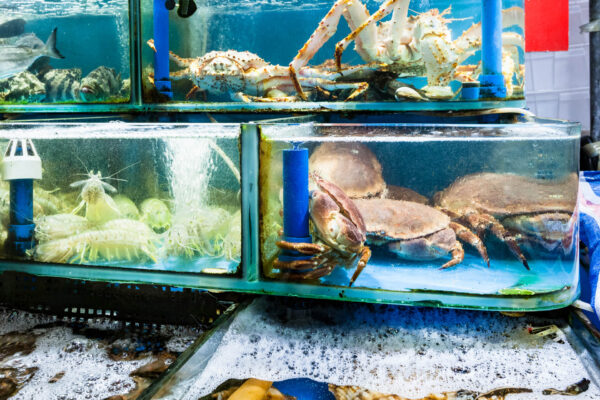
Or cold crab, served chilled with vinegar and garlic. You taste the sweetness of the crab, not a blanket of seasoning.
These dishes don’t call for notice, but they still leave an impression. The freshness, the texture, the restraint—it all works in quiet harmony.
Even the texture matters. A slice of steamed fish should flake just slightly. The skin should have a gentle bounce. You won’t always notice it unless you’re paying attention, but that’s part of the point. Teochew food rewards slow eating. It invites you to notice the little things.
Staples That Still Matter
Certain ingredients always show up at a Teochew table. Yam, for example.
It used to be filler—cheap, filling, reliable. But over time, it became something special.
Think orh nee. Smooth yam paste, a little sweet, maybe with ginkgo nuts or pumpkin. Some call it dessert, but more accurately, it’s comfort on a spoon.
And then there’s braised duck. Cooked slowly so it’s dark, fragrant, and deeply savoury. The kind of dish that sits in the middle of the table and disappears fast.
Every family has their way of doing it. Some go heavy on garlic, while others add tofu or boiled eggs. There’s no single right version.
That’s the thing about Teochew cooking. It’s flexible, but never careless.
Even the side dishes matter. Pickled mustard greens, stir-fried kai lan, plain omelettes, and salted fish—all common, all essential. They may not steal the spotlight, but together, they make the meal feel whole.
A New Home, A New Flavour
When Teochew families put down roots in Singapore, their food changed.
The local markets were different. There was more seafood, and people welcomed more spice. New neighbours appeared with their own ways of cooking.
Little by little, the cuisine shifted.
You’d see hints of chilli here and there. A bit of sambal sneaking onto the table. Local herbs, tropical fruits, fresh catches from the sea all worked their way in.
Teochew porridge, or muay, is a perfect example. It stayed simple, but side dishes grew bolder. Pickles, minced pork, braised peanuts. What was once a bowl of plain rice became a full meal.
But through all these changes, the spirit stayed the same. Gentle flavours. Fresh ingredients. Food that makes you slow down.
It’s the kind of cooking that doesn’t try to be anything it’s not. It adapts to where it is, but it holds onto what matters.
From Market Stalls to Linen Napkins
For a long time, Teochew food lived in coffee shops and hawker stalls. That’s where most people found it. That’s where the best bowls came from.
But then something shifted.
Chefs started looking at old recipes with fresh eyes. They weren’t changing the heart of the dish, but they were asking, “How else can we present this?”
Restaurants like Fu Yuan Teochew Dining stepped up. We took those same flavours and gave them polish.
Think lobster with a truffle twist. Braised duck served with thoughtful plating. Or a classic steamed fish, but prepped with modern precision. We keep the essence, while letting the cuisine grow.
The setting may change. Compared to what was familiar before, the price point might be different. But the foundation, encompassing the patience, the honesty, and the balance, stays. And that’s what makes the transition from hawker to high-end work so well.
Why It Still Feels Like Home
Teochew food isn’t just about the taste. It’s about what it brings up.
For some, it reminds them of their grandmother—how she used to stand over the stove, stirring porridge slowly, humming under her breath.
For others, it’s Lunar New Year. Long tables. Laughter. Cold crab piled high, yam paste waiting in the corner, untouched but expected.
Even those who didn’t grow up in a Teochew household find comfort in it. The food is gentle, a nostalgic and homely escape from a life so often hurried.
In a city full of bold bites and new trends, Teochew food reminds us to pause.
It brings people together, but quietly. Without spectacle or rush. Just faces we recognise, shared plates, and silence between bites—because the food speaks enough.
The Role of Fu Yuan Teochew Dining Today
Fu Yuan Teochew Dining is holding onto something that could easily be lost. Here, we respect the past. But we’re not stuck in it. This means dishes come with a little flair—something that nods to today while keeping one foot in yesterday. A little surprise here. A thoughtful touch there.
But the heart? Still the same.
We treat each dish like it matters. Because it does, and these meals carry history, family, and memory. For our customers and us both.
It shows in every spoonful.
We don’t need to reinvent every recipe. Sometimes, just treating each plate with care is enough. It’s what keeps people coming back—not for novelty, but for familiarity and authenticity at its core done right.
What Comes Next
Teochew cuisine has never needed bells and whistles. It made its name in quiet kitchens, over slow fires, using what was at hand.
In Singapore, it’s grown roots. It shows up at birthdays, weddings, quick lunches, and long reunions. It adapts, but it holds on.
That’s what makes it timeless.
Restaurants like Fu Yuan Teochew Dining aren’t looking to provide mere sustenance. We take on the bigger role of reminding us where we came from.
So the next time you order steamed pomfret, or finish a meal with a bowl of orh nee, remember—this isn’t just good food.
It’s something passed down. Kept alive. And still evolving, plate by plate.