For many couples in Singapore, the wedding banquet is the centrepiece of the entire celebration, and rightly so. After all, it is the event that brings together three or four generations of family, the occasion that guests will reference for years when they talk about your wedding, and the single biggest line item in most wedding budgets. Given all of that, the venue decision deserves a lot more scrutiny than a single site visit and a look at the package brochure. A wedding banquet venue might look perfect on Instagram and feel right on the first visit, but the real measure of whether it suits you only emerges when you start asking specific questions.
Before you commit, work through this list—it will save you stress down the line.
1. What is the minimum and maximum guest count the venue can accommodate?
Capacity is the first filter, and it needs to be addressed before anything else. A venue that seats 300 guests comfortably may feel cavernous for a gathering of 80, and one that maxes out at 150 may not work if your guest list is still growing. Ask about the minimum table commitment required to secure the space as well, since many venues set a floor that may be higher than your planned guest count. Get these numbers confirmed in writing before the conversation goes further.
2. What does the food and beverage package include, and how flexible is the menu?
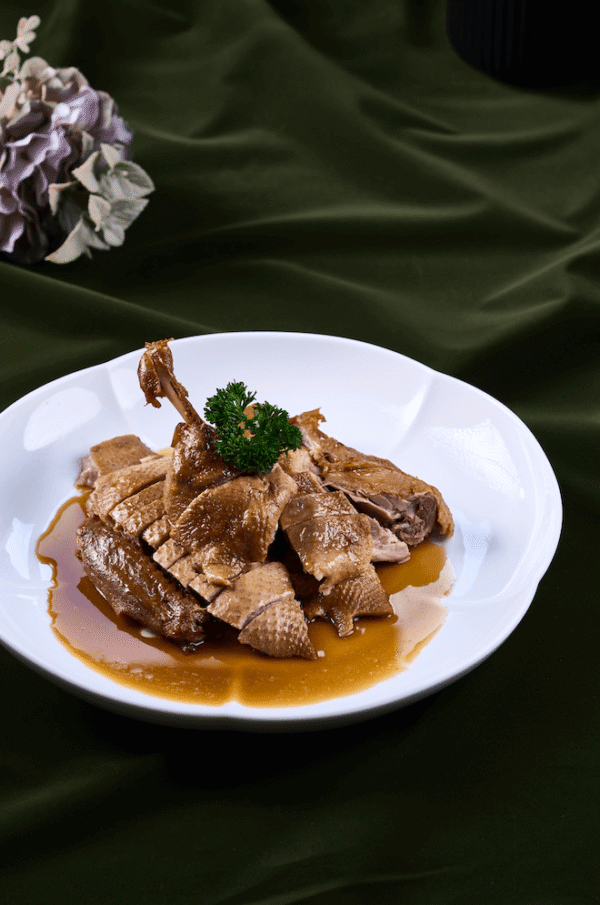
The banquet menu is the part of the evening that guests will remember most clearly, and as such deserves careful scrutiny. Ask what is included in the base package, which dishes can be swapped or upgraded, and whether the kitchen can accommodate dietary requirements or dialect-group preferences. A venue with a strong culinary team will be able to discuss the menu in detail and offer meaningful guidance. One that cannot may be outsourcing the catering or working from a fixed template with limited room for customisation.
3. Can we arrange a food tasting before confirming the booking?
A food tasting is one of the most valuable steps in the venue selection process and should be requested as a matter of course. It allows you to assess the actual quality of the food rather than relying on menu descriptions or photographs. Ask when tastings are offered, how many guests can attend, and whether the tasting menu reflects what will be served on the night. Some venues offer complimentary tastings above a certain number of tables while others charge a fee that is later offset against the final bill.
4. What is included in the venue hire, and what are the additional charges?
The headline package price does not tell the full story. Ask specifically about corkage fees if you plan to bring your own wine or spirits, charges for additional audio-visual equipment, costs for extending the event beyond the agreed end time, and whether items like table centrepieces, a wedding cake table, or an ang bao collection point are provided or charged separately. A clear breakdown of what is and is not included will give you a much more accurate picture of the total cost before you commit.
Time is of the essence when it comes to planning a Chinese wedding banquet. Here is a condensed list of all you need to plan one efficiently.
5. How many events does the venue run on the same day?
This is a question that many couples forget to ask, and the answer can significantly affect the quality of your experience. A venue running two or three events simultaneously may be splitting its kitchen and service team across multiple rooms, which can affect the pace of food delivery and the attentiveness of the staff. If exclusivity matters to you, ask directly whether your event will be the only one on that day, and factor the answer into your assessment of whether the venue can deliver the level of service you are expecting.
6. What is the venue’s policy on decorations and external vendors?
Some venues are open to couples bringing in their own florists, photographers and décor suppliers, while others have preferred vendor lists or restrictions that limit your choices. Ask what is permitted in terms of decorations, whether there are any restrictions on hanging items from the ceiling or affixing things to walls, and how much time is allocated for setup before the event begins. If you have already engaged specific vendors, confirm compatibility with the venue early to avoid conflicts closer to the date.
7. What audio-visual equipment is available, and is there a dedicated point of contact for the event?
A wedding banquet typically involves a sound system for music and speeches, a projector or screen for slideshows, and sometimes a live feed for larger rooms. Ask what equipment the venue provides as standard, what needs to be arranged separately, and whether there is a dedicated events coordinator assigned to your wedding. Having a single point of contact who knows the details of your event and is present on the day makes a considerable difference to how smoothly the evening runs.
8. What is the venue’s wet weather or contingency plan?
For venues with outdoor ceremony spaces or garden areas, this question is non-negotiable. Singapore’s weather is unpredictable, and a plan that relies entirely on clear skies is not a plan at all. Ask what the indoor backup arrangement looks like, how quickly the venue can transition between the two and whether the contingency space is comparable in size and atmosphere to the primary one. For fully indoor banquet venues, ask about power backup arrangements and what happens in the event of any facility issues on the day.
9. What are the payment terms, cancellation policy and date change conditions?
Wedding planning does not always go to plan, and understanding the financial terms before you sign is essential. Ask what deposit is required to secure the date, when the balance is due and what the cancellation or postponement policy looks like under different circumstances. Check whether the venue has any provisions for force majeure events. Most importantly, be sure to read the contract carefully before signing. A reputable venue will be transparent about its terms and willing to walk you through them without pressure.
10. Can the venue accommodate a tea ceremony or solemnisation on the same premises?
For many couples in Singapore, the wedding day involves multiple components: a solemnisation, a tea ceremony and the banquet itself. If you would prefer all of these to take place in the same location instead of requiring guests to travel between venues, ask explicitly whether the space can accommodate each element and how they would be sequenced across the day. A venue with private rooms or flexible spaces is far better placed to host the full occasion, as it keeps the day cohesive and reduces the logistical burden on both the couple and their guests.
11. Do you offer a dedicated wedding package, and what does it cover?
A dedicated wedding package, as distinct from a standard banquet booking, often includes additional elements such as a complimentary bridal suite, a wedding cake, special table settings, or a bottle of wine per table. Ask what the venue’s wedding package covers, how it differs from its standard banquet offering, and whether any elements can be added, removed or substituted. Understanding the full scope of what is on offer helps you compare venues on a like-for-like basis and ensures there are no surprises when the final invoice arrives.
12. What do other couples say about their experience at this venue?
References and reviews are among the most reliable indicators of what a venue is actually like to work with, as opposed to how it presents itself during a sales viewing. Ask the venue directly whether they can put you in touch with couples who have held their banquet there recently. Look up independent reviews on platforms where feedback is unfiltered. Pay particular attention to comments about food quality, service on the night and how the team handled any issues that arose. A venue confident in its track record will have no hesitation in pointing you towards past clients.
A wedding banquet at Fu Yuan Teochew Dining means a kitchen that knows its craft, a team that has hosted celebrations of every size and a menu that honours the culinary traditions most meaningful to multi-generational Chinese families in Singapore.
Book a viewing, bring your questions and let the conversation take it from there.