It’s a bustling Sunday morning, steam curling from stacked bamboo baskets. Trolleys weave between tables laden with intricate, bite-sized treasures. But like a consciousness gained suddenly in toddlerhood, you’re hit with the question: why three prawn dumplings, not four? What’s the deal with tapping the table when someone pours your tea?
Now, don’t get lost in thought. Good dim sum is worth savouring — don’t let confusion steal that pleasure from you. Here, we tackle the big, the little, and the sometimes downright quirky questions about dim sum — especially the ones you’re too polite to ask. Consider this your cheat sheet, your dim sum decoder, your companion for the next lazy brunch.
From the symbolism of numbers to the secret signals of tea etiquette, let’s lift the lid on what makes this tradition so special — so next time you’re at the table, all that’s left to do is eat, drink, and enjoy.
1. Why is dim sum often served in threes?
It’s all about balance — practical and symbolic. Three is a lucky number in Chinese culture, representing harmony (heaven, earth, humanity). Practically, it’s the perfect portion for sharing without waste. Steamer baskets are small, and three dumplings fit snugly, ensuring even cooking. Plus, odd numbers are favoured in traditions, so next time you see a trio of har gow, know it’s by design, not accident!
2. What’s the meaning behind tapping the table during tea pouring?
This subtle finger-tap is a silent “thank you”. Legend says a Qing emperor disguised himself and poured tea for his servants, who couldn’t bow without revealing his identity — so they tapped the table instead. Today, two or three light taps with bent fingers (mimicking a bow) shows gratitude. Just don’t overdo it, and think of it as a polite whisper.
3. Why is yum cha (“drink tea”) just as important as the food?
Here, tea is like the anchor of the meal. Traditionally, it aids digestion and cuts through rich flavours. But it’s also cultural: tea pouring rituals promote connection, and refilling others’ cups before your own is a sign of respect. Ordering the right tea (like pu-erh for richness or jasmine for floral notes) can even elevate your dim sum experience.
4. What’s so special about chicken feet in dim sum?
Don’t knock it ’til you’ve tried it! Phoenix claws (feng zhao) are a textural delight — braised until gelatinous, then fried and steamed. They symbolise prosperity (claws “grasp” wealth) and were born from frugality, turning scraps into luxury. The skill is in the prep: tendons must be tender, sauce sticky-sweet. It is a true test of a kitchen’s patience, as well as your adventurousness.
5. Why are some dumplings pleated and others smooth?
Pleats aren’t just pretty, they’re also functional. Har gow’s translucent wrapper needs folds to hold the filling without bursting, while siew mai’s open top lets the pork shine. The number of pleats can even signal a chef’s skill (seven is classic for har gow). Smooth buns, like char siew bao, rely on dough strength. Every shape tells a story of texture and technique.
6. Why do servers sometimes mark your order card with mysterious symbols?
It’s all in the name of efficiency. Marks correspond to dish prices or kitchen instructions. A tick might mean “standard portion”, while a circle could signal “spicy”. In busy restaurants, this shorthand speeds things up. If you’re curious, ask your server — they’ll likely chuckle and explain.
7. What’s the deal with the dim sum trolley?
Before digital orders, trolleys ruled. Chefs would wheel out fresh batches, and diners could inspect dishes up close. This sense of discovery was part of the fun. While some modern spots use menus, trolleys survive for nostalgia and theatre. If you see a favourite, wave eagerly — the best dishes sell out fast.
8. Why is turnip/radish cake (lo bak go) called a “cake”?
Ah, a classic case of lost in translation. In Chinese, “go” just means “pudding” or “steamed dish.” This pan-fried delight is made from shredded radish (not turnip) and rice flour, often studded with sausage and shrimp. Crispy outside, soft inside, it’s actually a Lunar New Year staple — the radish symbolises good fortune.
9. Why are some dishes only served at certain times?
Freshness is key. Items like fried taro dumplings or egg tarts are made in batches. This means if you come too late, they’re gone. Early morning is prime time for classics (siew mai, steamed rice rolls), while afternoon might offer heartier fare like congee. In some establishments, only early birds get the dumplings.
10. Why is dim sum associated with weekends and family?
Dim sum started as a Cantonese tea-house tradition where people enjoyed tea and small bites throughout the day. Over time, with modern work schedules, it naturally became a popular weekend and holiday meal. Today, it’s all about togetherness — small plates encourage sharing, and long, leisurely meals foster conversation. It’s the culinary equivalent of a warm group hug.
Bonus: Where can I find the best dim sum in Singapore?
Now that you know the stories behind the dishes, you might be wondering where to enjoy proper dim sum in Singapore. For an authentic experience, Fu Yuan Teochew Restaurant is a solid choice.
Our kitchen focuses on getting the fundamentals right. Comforting and rich century egg and pork congee, char siew bao with well-balanced filling, and cheung fun with the right silky texture. Even our chicken feet (for the adventurous) show proper technique — braised until the collagen melts but still retains texture.
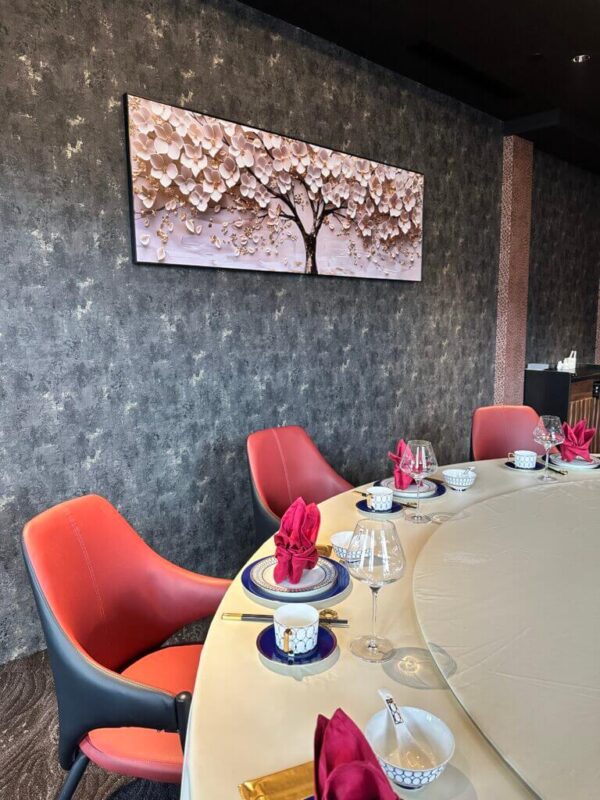
The dining room has that comforting, lived-in feel of a place that focuses on food rather than decor. Servers know the menu inside out and can guide you through both classics and lesser-known dishes. While we may not do the classic trolley service anymore, our efficient ordering system means dishes arrive hot and fresh from the kitchen.
For a satisfying dim sum meal without gimmicks, Fu Yuan Teochew Dining delivers. Go with a group, order widely, and take your time — after all, that’s how dim sum is meant to be enjoyed.
Reserve now for Fu Yuan Teochew Dining’s dim sum, available for lunch only.