
If you’ve ever been to a Chinese banquet, you might recall glossy roast meats, extravagant centrepieces, and endless courses that feel almost ceremonial. But here’s the thing — while Cantonese feasts often take the spotlight, there’s another tradition quietly stealing hearts: Teochew banquet dining.
For many, Teochew food is still a hidden gem. And even fewer are familiar with the way Teochews celebrate — with restraint, respect, and deeply rooted dishes that speak volumes with a single bite. This article is your invitation into that humble, special world. Whether you’re planning a celebration, exploring your heritage, or simply curious about regional Chinese cuisines, we’ll walk you through the signatures, symbolism, and dining rituals that make Teochew banquets uniquely meaningful.
What is Teochew Banquet Dining?

Teochew banquet dining blends ceremony and simplicity — a balancing act of flavour, presentation, and cultural storytelling. Rooted in the eastern Guangdong region, and now thriving in places in Singapore and Hong Kong, Teochew cuisine is prized for its light, natural approach to cooking, letting the ingredients speak for themselves.
Unlike some more robust Chinese banquet styles, a Teochew celebration meal prioritises freshness, clarity, and elegance. Some of the finest examples include slow-braised meats, clear soups, and seasonal seafood feasts served in beautifully composed courses.
These are held in banquet halls, family-owned restaurants, or modern venues, often accompanying Chinese New Year, weddings, birthdays, and formal gatherings. Instances where food instinctively becomes a language of love, honour, and tradition.
The Quiet Rituals of Teochew Banquet Dining
Unlike more theatrical banquet styles, Teochew dining traditions tend to be quieter, more measured — a choreography of respect, pacing, and subtle cues. It begins the moment guests are seated.
Teochew banquets typically start with cold appetisers served almost immediately, setting a welcoming tone. Diners are encouraged to take their time — Teochew banquets aren’t rushed affairs. Each course is served one at a time, allowing every dish its own moment of appreciation. This sequencing respects the ingredients, the flow of digestion, and the hierarchy of taste — moving from lighter flavours (like cold crab or steamed fish) to richer, braised items later in the meal.
One small but important gesture is the first toast — often led by the host or elder of the table. This declares gratitude for the people gathered. During weddings or major events, it’s common for the couple or hosts to go table by table, offering thanks with a gentle bow or a raised glass.
Even the way dishes are shared and enjoyed holds meaning. It’s customary to rotate the lazy Susan gently (never spinning it quickly) as a sign of consideration for others at the table. And because in Teochew culture, food is revered, there’s also an unspoken agreement to let flavours speak when a significant dish arrives. This permits light chatter, laughter, and conversation — and at times, a respectful silence.
These rituals, though subtle, are part of what makes a Teochew banquet dining experience feel so grounded, elegant, and deeply human.
Why Teochew Cuisine Makes a Beautiful Banquet Choice
Excess has no place in Teochew cooking. Its charm lies in refinement, restraint, and a deep-rooted commitment to letting flavours unfold slowly and gracefully. This makes Teochew cuisine an especially appealing choice for celebratory functions and milestone events.
Here’s why:
- Light, Digestible Options: Teochew menus often feature steamed and braised dishes, offering healthier, more balanced creations.
- Versatility: With a strong focus on seafood, vegetables, and herbal broths, it suits many diners, from the elderly to the very young.
- Elegance: It’s in every detail. Each dish reflects a quiet, palpable sophistication — a soft touch that speaks volumes in the rhythm of a long, carefully planned banquet.
- Photogenic Plating: Yes, even the photos look beautiful. The colours and clarity of the food often shine, especially under the soft lighting of a formal dining room or banquet hall. The plate is Teochew cuisine’s stage.
1. Steamed Fish

One of the most revered dishes in Teochew banquets is the steamed fish. This is a crowd pleaser, and a statement of taste. The fish is steamed with preserved vegetables, tofu, and salted plums, creating a mild, slightly tart broth that’s full of nuance.
It represents the essence of Teochew cuisine: clean flavours, delicate balance, and absolute respect for the ingredients. For many guests, it’s a highlight that they are reluctant to part with.
2. Braised Goose

A signature dish originating in Chaoshan, braised goose is prepared over hours, soaked in a dark, herb-infused soy stock until tender and richly flavoured. The result is a velvety, melt-in-your-mouth bite that comes into its own beside muay, also known as Teochew porridge.
Its presence at weddings or formal functions signals heritage and honour — a dish that might have been once reserved for VIPs and now enjoyed as one of the central offerings in banquet menus, though just as loved for its quiet and comforting appeal.
3. Braised Sea Cucumber with Abalone

Among the most refined dishes in a Teochew banquet is braised sea cucumber paired with abalone. This is a luxurious combination that signals prosperity and respect for one’s guests. In this elegant course, tender sea cucumber and whole abalone are slowly braised in a thick, savoury stock made from dried scallops, soy sauce, abalone sauce and more premium treasures.
Both main ingredients are revered in Teochew and broader Chinese cuisine not just for their flavour and texture, but for their symbolism. Abalone represents wealth and good fortune, while sea cucumber is associated with health and longevity. This makes this dish exceptionally meaningful at grand events.
4. Marinated Cold Crab

Marinated Cold crab is a Teochew delicacy served chilled with natural roe intact. There’s no overpowering sauce, just the natural sweetness of the seafood, usually accompanied by a vinegar or ginger dip.
This dish often appears early in the banquet, part of the opening dishes that set the stage for what’s to come. It’s really an unassuming luxury that elevates any dining experience.
5. Orh Nee

Orh nee, the beloved Teochew yam paste dessert, is a smooth, creamy blend of steamed yam, lard, and sometimes coconut milk — gently sweet, never overwhelming. Traditionally topped with golden pumpkin purée and ginkgo nuts, it’s a dish that feels both indulgent and grounding.
While many Chinese desserts are light or fruit-based, orh nee stands apart for its earthy richness and decadent edge. It’s often the final dish to enter dining rooms, served warm in small porcelain bowls. Interestingly, in earlier generations, this dish was considered a true test of a chef’s skill — in technique, balance, and patience. Making it from scratch required hours of steaming, mashing, slow stirring, and perfecting the oil infusion.
Creating the Right Space for a Teochew Banquet
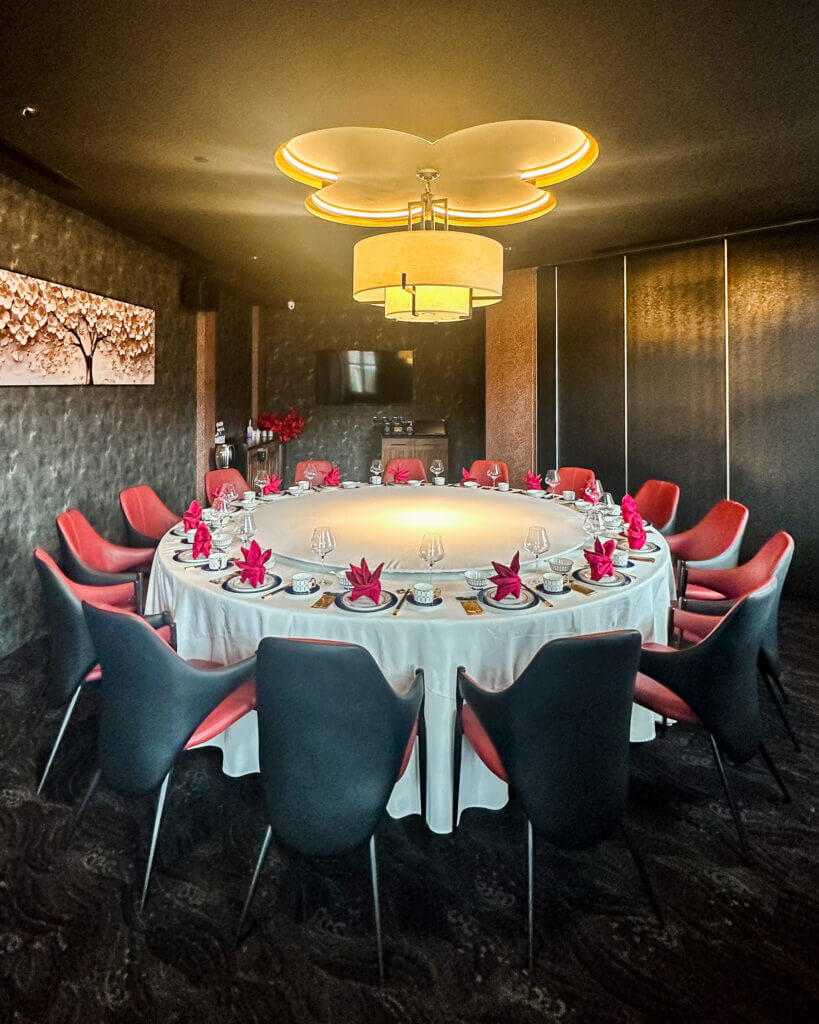
Whether you’re hosting at a heritage restaurant, a modern venue, or a spacious banquet hall, the setting matters. Teochew banquets are as much about food as they are about the feeling. The flow of dishes, the layout of the tables, and the attentiveness of service all contribute to a graceful, enjoyable evening.
These spaces don’t have to be opulent — just pleasant and thoughtful. With the right details, a Teochew cuisine banquet transforms any place into something more — a celebration of culture, community, and continuity.
Final Thoughts
At its heart, Teochew cuisine celebrates cooking with care, presenting food that is born in tradition yet ever elegant. It’s no wonder more families and modern couples are turning to it for the most significant moments of their lives. It offers something that is often missing in louder banquet styles — a quiet beauty, a soft voice, a deeper meaning — even more so if the hosts or guests are of Teochew descent themselves.
If you’re planning your next celebration, consider Fu Yuan Teochew Dining. It might just be the most tasteful way to gather, connect, and remember. Let us help you plan an intimate celebration — or have a taste of our exquisite menu first with a reservation. Explore with our family at Fu Yuan Teochew Dining all these signatures, customs, and more.

