Ask a Singaporean to describe Teochew food and the word “light” usually turns up within the first sentence. It is the compliment an aunt gives a steamed fish, and the reason a colleague suggests Teochew when everyone wants a proper dinner without the afternoon slump that follows. Because the word covers so much, however, it helps to take it apart. This article looks at what people mean by it, which cooking habits produce it, and which dishes live up to it (and which quietly do not).
What People Mean by the Word
In most cases, “light” describes the experience of the meal rather than its appearance. A Teochew table can look generous, with a whole fish, a pot of soup and a braised platter arriving together, and yet leave you satisfied and ready for another cup of tea. Flavours land gently and finish clean. Sauces are used sparingly and spices stay in the background, so you can usually name the main ingredient after a single bite. That clarity is what most diners are pointing to when they reach for the word.
How the Cooking Keeps Things Gentle
The methods explain much of it. Steaming, poaching, braising and double-boiling sit at the heart of Teochew cooking, and all of them rely on patience instead of fierce heat. Take the classic steamed fish. It goes into the steamer whole, and the juices that collect in the dish become the sauce, so nothing masks the flavour of the fish. Double-boiled soups follow the same logic, since ingredients sealed in a pot and cooked slowly in simmering water give up their depth without needing heavy seasoning. Wok-frying does appear, in the preserved radish hor fun for instance, but it plays a supporting role.
Why Freshness Matters So Much
Gentle cooking leaves very little room to hide, which is why Teochew kitchens are so particular about freshness. Seafood is chosen live and cooked just long enough to bring out its sweetness. The chilled drunken crab takes the idea furthest, because served cold it puts the sweetness of the meat and the richness of the roe directly in front of you.
Seasoning follows the same restraint. Small saucers of chilli, vinegar or other dips often sit on the side, so each person can adjust bite by bite. Likewise, preserved ingredients such as salted vegetables and preserved radish appear in small amounts as accents, which keeps the main ingredient firmly in charge.
Which Teochew Dishes Are Light, and Which Are Not
Teochew cuisine covers more ground than a single word can hold. The menu at Fu Yuan Teochew Dining shows this well, since it includes delicate, gently cooked dishes and rich, slow-braised ones.
The Dishes That Earn the Label
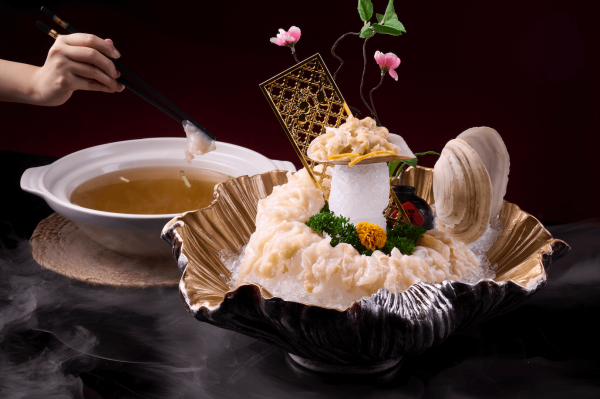
Start with the Teochew-style steamed fish, which our menu describes as preserving the fish’s natural sweetness through gentle steaming. That is about as close to the textbook meaning of light as a dish gets. The chilled drunken yellow roe crab sits in the same camp, and so does the herbal French poulet soup, a double-boiled bowl built on slow, steady heat. Together, these are the dishes people have in mind when they praise Teochew food for being clean.
The Dishes That Do Not
By contrast, several favourites are anything but light. The braised Irish duck draws its depth from a master stock that is traditionally simmered and replenished over years, which makes it dense, savoury and deeply satisfying. The braised pork belly follows the same path. The pan-fried marble goby is crisped first and then finished in a rich shark bone soup, so it lands firmly on the indulgent side. Orh nee, the mashed taro dessert, is traditionally enriched with lard, which makes it far more decadent than its soft texture implies.
Even so, a Teochew meal rarely feels heavy. That is because the table is built for balance, with a rich braise sitting beside a clear soup and a steamed fish, each dish offsetting the next. Small cups of strong tea are poured throughout to reset the palate. In other words, “light” describes the shape of the whole meal more than the calorie count of any single plate.
Try It at Fu Yuan Teochew Dining
The easiest way to test the idea is to order from both sides of the spectrum. The Teochew-style steamed live fish, the chilled drunken yellow roe crab and the herbal French poulet soup show the gentle side, while the braised Irish duck and a bowl of orh nee show the richer one. Both our Clarke Quay and Greenwood outlets take reservations, so book ahead and enjoy tasting the full range of Teochew cuisine for yourself.
We look forward to welcoming you at the table.