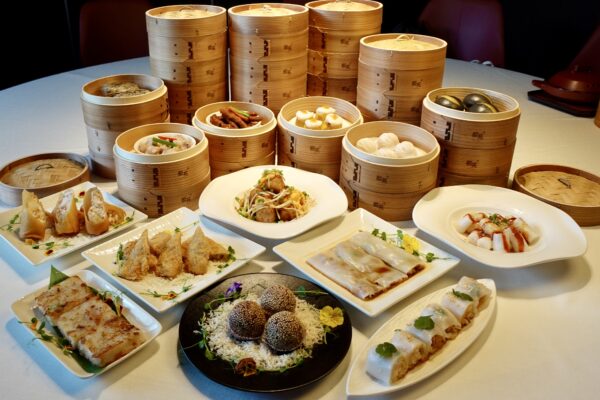
Mornings in Singapore can be relentless. The first bus is already crowded. Kopi queues spill into the sidewalk. And half the city seems to be rushing somewhere with a phone in one hand and a takeaway packet in the other. But step into a Teochew home or sit down at a stall that honours those roots and you’ll find a different pace. A slower one. A table with bowls of porridge, small plates scattered across the surface, and a pot of tea waiting patiently at the side.
That’s what Fu Yuan Teochew Dining keeps alive: not just the flavours, but the feeling of what it means to start the day the Teochew way.
Porridge at the Centre
Teochew-style porridge is simple. Rice is boiled down with water until the grains soften, but never collapse into a paste. It’s thinner than Cantonese congee, lighter, easier on the stomach. To some, it looks almost plain. But that’s where its charm lies.
The porridge is never eaten alone. It’s always paired with dishes; salty, sour, sweet, or savoury—each one chosen to balance the plainness of the rice. A spoonful here, a bite there. The food is unhurried, the rhythm steady.
If you’ve ever eaten it on a quiet morning, you’ll remember how it feels. Steam curling up into your face, the rice sliding down smooth, followed by a bite of pickled greens that wakes you up better than coffee.
Side Dishes That Carry Memory
The sides are what make the meal whole. They’re never extravagant. Just honest, comforting, and familiar.
- Salted Mustard Greens: Sharp and tangy, almost shocking after the bland rice, but exactly what your tongue craves.
- Preserved Radish Omelette: Golden, fluffy, with salty crunch tucked inside. You can almost hear it sizzle in the pan.
- Braised Tofu or Meat: Soy sauce clinging to each piece, the taste rich but never heavy. You eat slowly, letting it linger.
- Steamed Fish: Always fresh, always simple. No drowning sauces. Just ginger, soy, maybe a sprig of coriander.
These aren’t dishes measured with cups and spoons. They’re guided by instinct; a splash of soy, a pinch of salt, a taste until it feels right. Every household does it differently, but the idea is the same. That’s small plates to share, eaten with porridge that ties everything together.
Tea as the Pause
After food, or sometimes alongside it, comes tea. Teochew families often brew it gongfu style; clay pots, tiny cups, careful pours. The ritual slows time down.
Even if you’ve never done the full ceremony, the essence is easy to understand. Pour hot water. Let the leaves open. Sip slowly. The bitterness cuts through the savoury dishes and resets the palate.
It’s not about caffeine. It’s about grounding yourself before stepping into the day. A pause that says: the world can wait a little.
The Market Morning
For older generations, the day often began in the wet market. Fresh fish laid out on ice, the smell of garlic and ginger wafting from stalls, aunties calling out prices above the din. Children trailed behind, dodging baskets and plastic bags, tugging at sleeves.
And after the shopping? Breakfast at the porridge stall. Metal bowls placed on plastic trays, chopsticks clinking, steam fogging up glasses. The food wasn’t expensive, but it filled you. The chatter of the crowd was part of the taste.
Even now, hawker centres carry that spirit. You sit at a table, order a spread, maybe hear the stall auntie yell “加菜?” (add dish?). Around you, families eat, friends talk, and uncles read the newspaper with one hand while spooning porridge with the other. It’s noisy, messy, alive. And that’s breakfast.
Keeping Traditions in a Fast City
Of course, life looks different today. Long commutes. Early meetings. Kids with schoolbags almost heavier than they are. Few people have time to set out a full Teochew spread before work.
But traditions bend. Families cook porridge overnight in rice cookers, reheating it in the morning. Hawker stalls open early for takeaway. Younger Singaporeans may not brew tea with clay pots, but they still crave porridge after a long week, because it tastes like comfort.
That’s how food survives in a city that moves this fast. It adapts, but it never disappears.
Why This Breakfast Matters
It’s easy to underestimate a bowl of rice and water. But Teochew porridge isn’t about impressing. It’s about balance. About starting the day with something that settles you, instead of pushing you into overdrive.
There’s something quietly powerful about a breakfast made to be shared. Dishes are placed in the middle. Everyone reaching in, spooning out, tasting, talking. In those moments, you’re not just eating. You’re connecting.
And that’s why this meal still matters, even to those who didn’t grow up with it. In a city that never stops, it offers proof that mornings don’t always need to be rushed or loud to be meaningful.
Bringing It Home
Want to try it yourself? It doesn’t take much.
- Cook porridge. Rice, water, patience. Let it stay light, not heavy.
- Pick two or three sides. Salted greens, fried peanuts, or a quick omelette work fine.
- Brew tea. A simple pot of oolong will do. No need for ceremony unless you want it.
- Sit down. Eat with someone, even if it’s just a ten-minute pause before the day takes off.
Not every morning will allow for it. Some days you’ll still run with kopi in hand. But when you can, make space for this slower start.
Conclusion
The Teochew way of starting the day is about more than porridge, side dishes, or tea. It’s about the feeling those things create, such as comfort, connection, and calm in the middle of life’s rush.
At Fu Yuan Teochew Dining, that spirit is alive. A place where Teochew and Cantonese traditions meet modern Singapore, where the first meal of the day can still feel like home.
If you’re looking for a place to slow down, or even to breathe in a moment of quiet calm before your day officially unfolds, find us at Fu Yuan Teochew Dining. We have the food, atmosphere, and sense of community that make each visit feel at once familiar and special.
Reserve here.