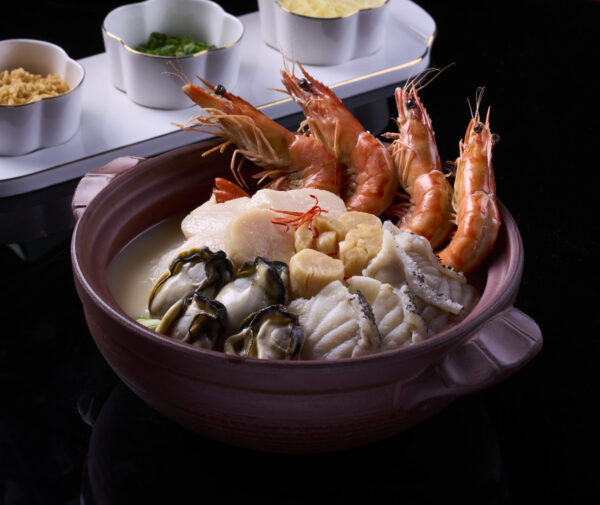
There’s a quiet confidence to Teochew cuisine — a cuisine that doesn’t need flaming spices or sodium-packed sauces to make its mark. Instead, it relies on the deft hands of home cooks and chefs who understand that true mastery lies in technique.
Whether it’s the precision of stir-frying to preserve a vegetable’s crunch or the patience required to braise pork belly until it melts like silk, Teochew cooking celebrates the everyday alchemy of the kitchen. Here, we uncover the secrets behind these methods, showing you how time-honoured skills can transform humble ingredients into soulful, nourishing traditional fare.
Let’s dive right in.
Poaching
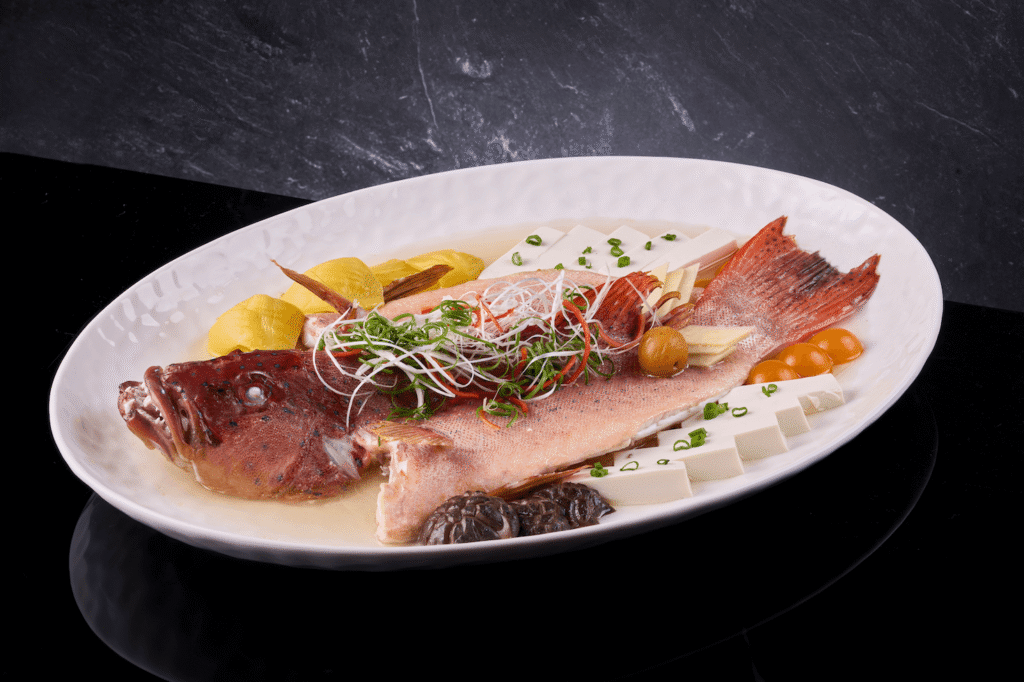
We can begin with poaching, a technique that embodies Teochew’s love for purity. The best image to describe this technique with is a plump, fresh fish (perhaps pomfret or grouper) gently simmered in a clear broth infused with slivers of ginger, salted mustard greens and a splash of Shaoxing wine. The goal here is not to drown the ingredient, but to coax out its essence. Teochew poaching often uses a light stock made from pork bones or chicken, strained meticulously to remove impurities. The result to expect is a dish with a broth so clean it shimmers, not with oil but with clarity, carrying the sweetness of the sea. A tip passed down from Teochew grandmothers: always poach seafood just until the flesh turns opaque. Overcooking is a sin so great in a cuisine that prizes texture as much as taste.
Steaming
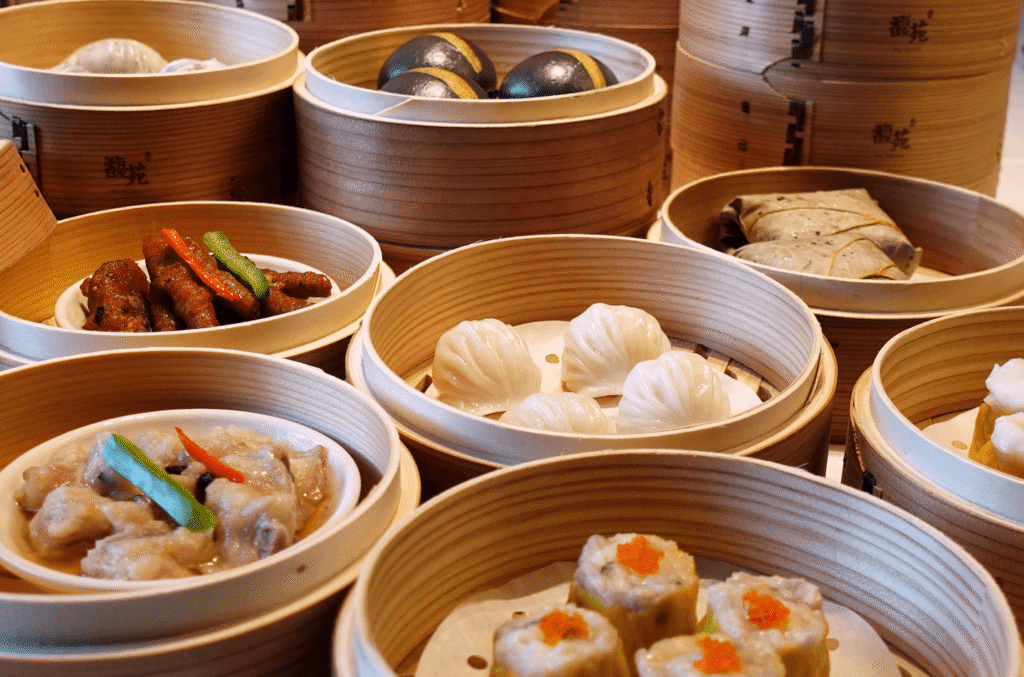
If poaching is about clarity, steaming is its soulful sibling. In Teochew kitchens, bamboo steamers stack like towers, releasing fragrant plumes. In Singapore, these steamers often conceal delicate chwee kueh that carry the scent of steamed glutinous rice, subtly sweet and soft, topped with a sprinkle of scallions or preserved radish. The steamed rice cake is a comforting staple that’s simple yet satisfying, made silky and fragrant through the magic of steaming, and often had for breakfast. The secret lies in timing and restraint: steam just enough to lock in moisture, while a drizzle of aromatic oil awakens the flavours. But steaming isn’t just for proteins. Teochew cooks also steam pumpkin, taro, and other root vegetables in addition to meat, elevating them into delicate, fragrant dishes.
Braising
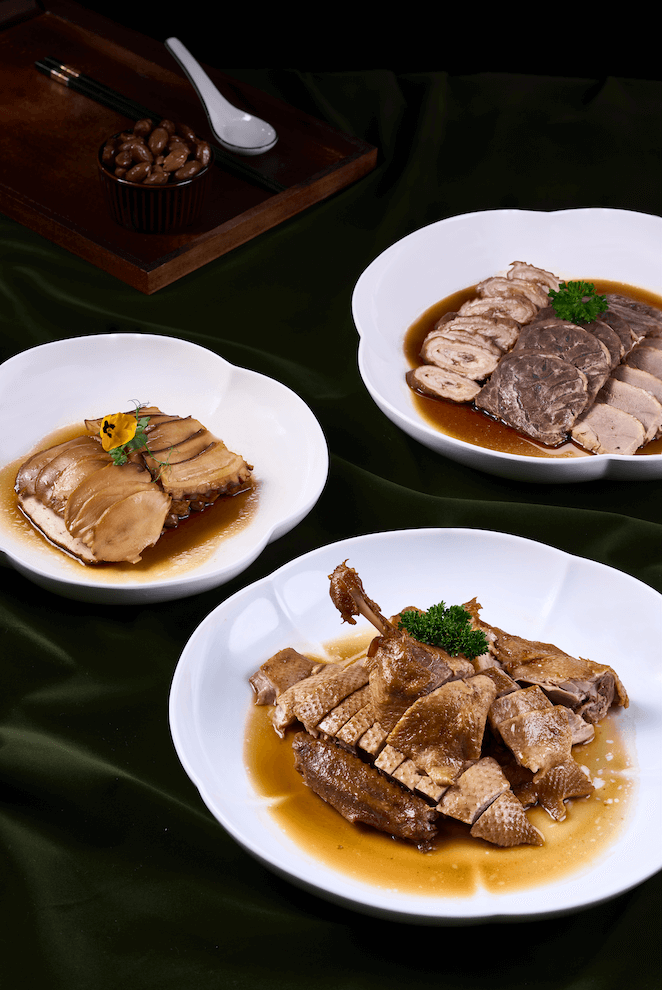
Now, let’s slow things down. Braising in Teochew cuisine is a labour of love — a technique that tempers tough cuts and sturdy vegetables into melt-in-the-mouth marvels. It would help to picture a clay pot filled with pork belly, its layers of fat and meat simmering in a glossy bath of dark soy sauce, rock sugar and star anise, stopping short of dissolving altogether. Affectionately known as lou bak or tau yew bak, this is a dish that epitomises the Teochew penchant for sweet-savoury combinations. But braising is not restricted to meat alone. Tofu, daikon or even peanuts are given the same patient treatment, absorbing the rich, caramelised flavours of the braising liquid. Essentially giving them a new lease of life, braising thrives especially on a low flame and a heavy-lidded pot to keep the heat even and steady. That’s how Chaoshan vendors did it in the past, who perfected the art over ancient charcoal stoves.
Stir-Frying
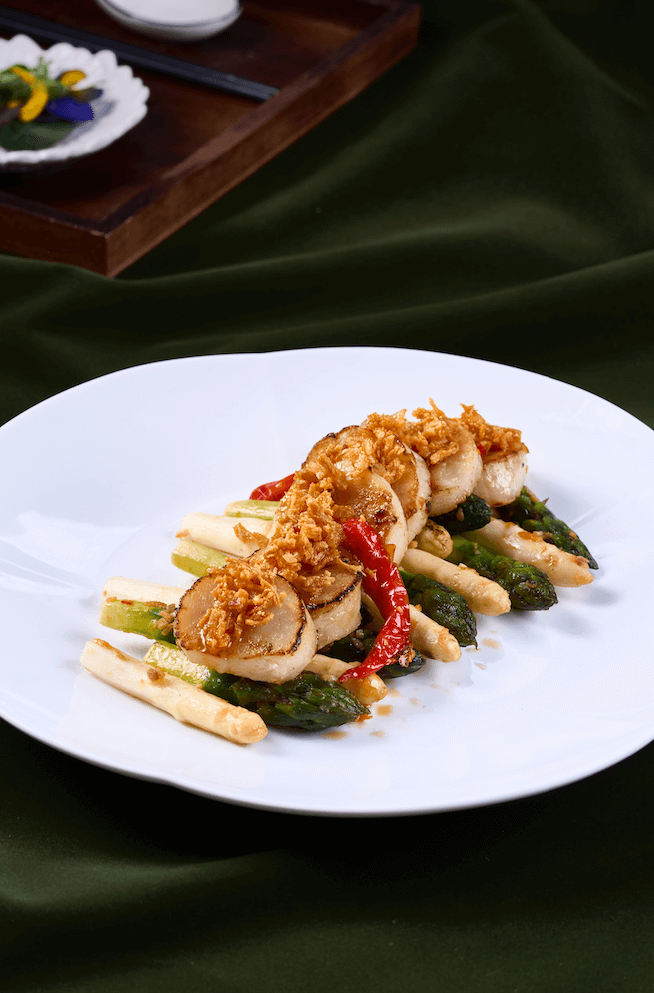
Stir-frying might seem universal and commonplace as a cooking method, but Teochew chefs approach it with a lighter touch. Unlike the fiery wok hei (breath of the wok) of Cantonese cooking, Teochew stir-fries emphasise freshness and crunch. In stir-fried choy sum with garlic, the greens are tossed in a searing-hot wok for mere seconds, then splashed with a dash of oyster sauce. This creates a vibrant, crisp and almost-raw-at-the-core vegetable dish that celebrates the ingredient’s natural character. For proteins, think quick-cooked prawns with celery or squid with yellow chives. The key is to prep everything in advance — a respectable nod to the French concept mise en place — and work fast, letting the quick licks of flame upon the wok do the talking.
Bonus: Pickling
And of course, we can’t talk about Teochew cooking without touching on pickling. In a region where humidity and monsoon rains set the rhythm of everyday living, preserving vegetables is both practical and poetic. Mustard greens, radishes, and cucumbers are salted, brined or gently fermented, transforming into tangy, crunchy sides that bring contrast and character to the Teochew table. A humble bowl of Teochew porridge (muay), for instance, is never complete without a side of kiam chye (salted mustard greens) or hae zho (fermented shrimp paste). Condiments? Yes, they are, but also a bridge between seasons, a way to savour summer’s brightness in winter’s chill, and a foolproof method of whetting the appetite when under the weather.
A Taste of Teochew Tradition Lives On at Fu Yuan Teochew Dining
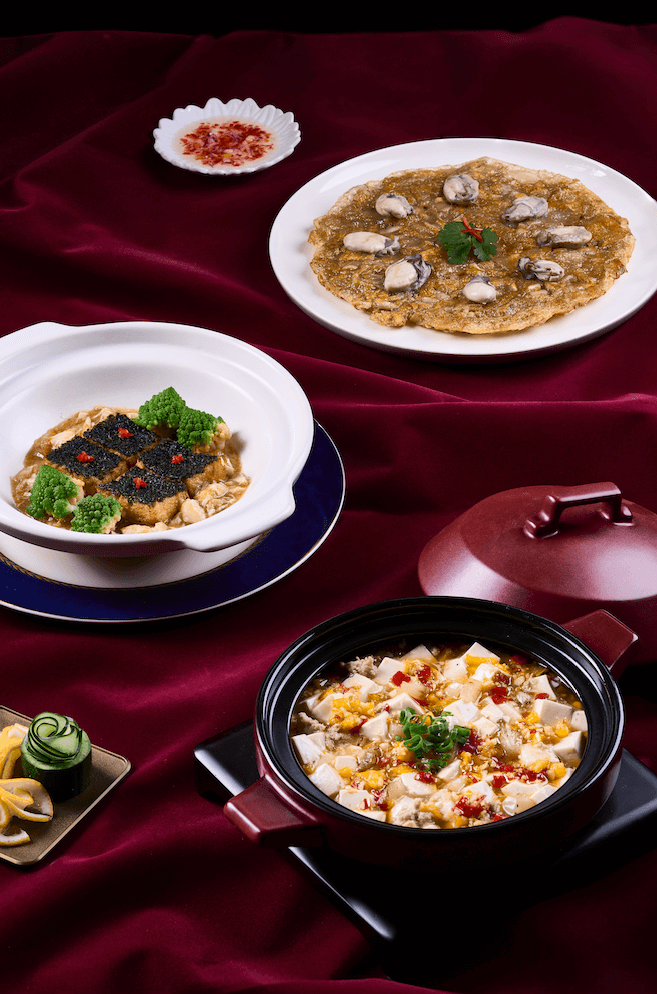
Mastering these techniques isn’t about following through with rigid rules, but about embracing a longstanding mindset. It’s noticing how the first bite of a tender braised meat feels like a passionate embrace, or how a perfectly steamed fish carries traces of the Chaoshan coast. It’s understanding that food, at its best and its base, is both nourishment and narrative.
At Fu Yuan Teochew Dining in Singapore, we observe these traditions with every dish we serve. From the silken braised duck to the ethereal steamed fish, our menu is a love letter to the techniques that define Teochew cuisine. Experience it for yourself — book a table today, and let us take you on a journey through the flavours of Chaoshan — one simmer, steam, and stir-fry at a time.