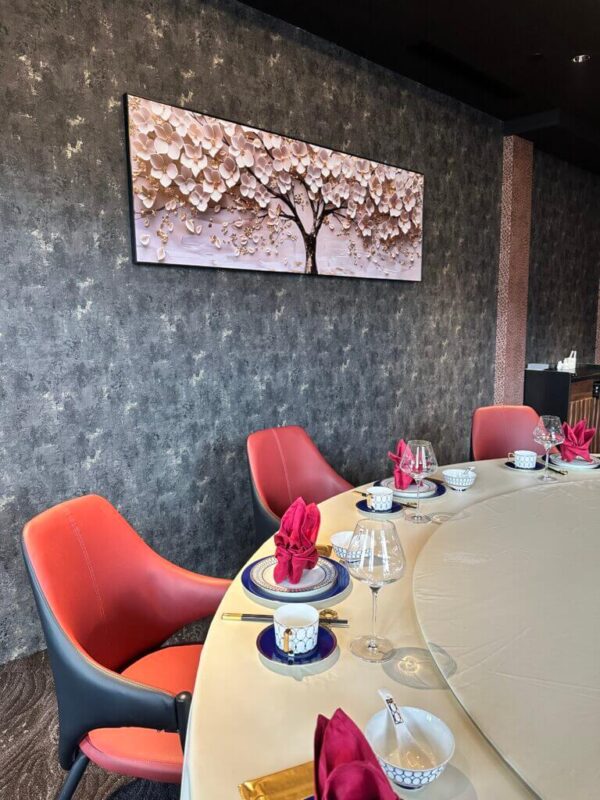
Teochew cuisine has been part of Singapore’s food culture for generations, shaped not only by its dishes but also by the customs and dining traditions that surround them. As eating habits have evolved, some of these practices have gradually become less familiar, especially among younger diners who may know the food better than the stories behind it. Here are five Teochew dining traditions worth knowing—not as rules to follow, but as useful context that adds another layer of meaning to the meal.
Read: 5 Teochew Foods with Cultural and Symbolic Significance
1. Cold crab is a test of the cook’s confidence
In Teochew cuisine, serving seafood raw or chilled reflects a deep confidence in the quality and freshness of the ingredients. Dishes such as marinated raw crab and chilled drunken crab are not modern novelties, but part of a longstanding culinary tradition that allows the natural sweetness and texture of the seafood to take centre stage. While older generations may be more familiar with this style of eating, younger diners often approach raw crab with greater hesitation. For those willing to try it, the experience offers a different way of understanding Teochew cooking at its most ingredient-driven.
2. The master stock is never thrown away
The braising liquid used for Teochew lor bak is traditionally treated as something to be preserved rather than discarded. Built from soy, galangal, five spice and other aromatics, the stock is replenished after each use, allowing its flavour to deepen over time. In some families, the same lor was maintained for years and passed from one generation to the next as a form of culinary inheritance. In Chaoshan, stories of century-old master stocks are part of the region’s food lore. Whether maintained for decades or simply with great care, a well-kept lor develops a complexity that is difficult to reproduce in a freshly made batch.
3. Congee was once the meal, not the side dish
In traditional Teochew households, plain rice congee, or muay, often formed the centre of the everyday meal rather than serving as a side dish. It was accompanied by small portions of strongly flavoured dishes such as preserved vegetables, braised pork, salted fish and fermented tofu, creating a meal built around contrast, variety and restraint. The style of eating reflected a practical, frugal approach to cooking, but one that was no less satisfying for it. Today, muay has found renewed interest among younger diners, even if the customs and rhythms of the traditional Teochew meal are less widely understood.
See 10 Teochew Restaurants in Singapore serving more than just porridge.
4. Orh nee was reserved for important occasions
Orh nee, the classic Teochew dessert of mashed taro, is now widely available at restaurants throughout the year, but it was once more closely associated with weddings, milestone birthdays and ancestral occasions. Preparing it well takes time and care, from selecting good-quality taro to achieving the smooth, rich texture the dish is known for. Its appearance at the table therefore carried a sense of occasion, signalling both celebration and the host’s effort in preparing something special for guests. That history gives orh nee a significance that extends beyond its place on the dessert menu.
5. Tea was poured for others before yourself
Pouring tea for others before filling your own cup is a small but enduring gesture in Teochew and broader Chinese dining culture. Traditionally, it reflects respect and attentiveness at the table, particularly towards elders, and was once regarded as a basic part of dining etiquette. While the custom may be less familiar to younger diners accustomed to more casual meals, it is still commonly observed at family gatherings and traditional restaurants. The accompanying two-finger tap on the table, used as a quiet gesture of thanks when someone pours your tea, is another detail that adds to the ritual of the meal.
Experience Teochew Tradition at Fu Yuan Teochew Dining
These traditions have not disappeared. They continue through the dishes, techniques and small details that define Teochew cooking, preserved by kitchens that still take the time to practise them with care. At Fu Yuan Teochew Dining, that heritage can be found across the menu, from the depth of the lor bak to the familiar richness of orh nee. Make a reservation at Fu Yuan Teochew Dining Clarke Quay or Greenwood and experience these traditions at the table for yourself.